

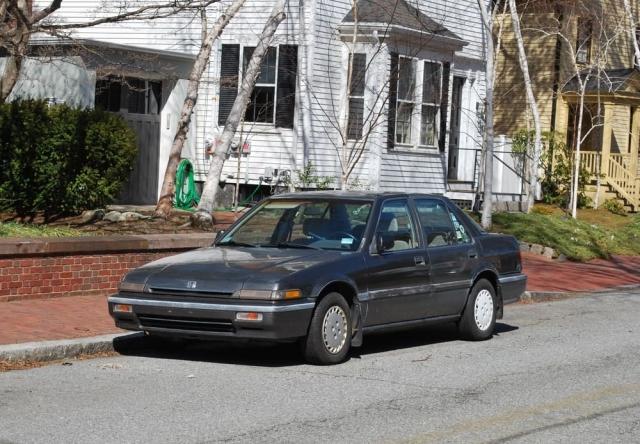
Are you hanging on to your trusty old car, reluctant to let go despite its age? It might be time to reconsider. Delaying the decision to sell your old car could lead to unexpected breakdowns and costly repairs down the road. But how do you know when it's truly time to part ways? Here are ten telltale signs that indicate it's time to sell your old car and consider an upgrade.
1. Engine troubles
When your car's engine starts acting up, it's a clear sign that something serious is amiss. Engine repairs can be costly, especially for older vehicles with high mileage. If your car is less than ten years old, repairing or replacing the engine might still be feasible. However, for older cars with significant wear and tear, the cost of repairs could outweigh the car's value. In such cases, selling your old car and investing in a newer model may be the smarter choice.
2. Rust on the body
Rust spots on your car's body are not just unsightly; they can also be a sign of more significant problems lurking beneath the surface. Repairing body damage can be expensive, and rust tends to spread quickly if left unchecked. If your car is showing signs of corrosion, it may be time to consider selling before the damage becomes irreparable.
3. Increased oil consumption
Excessive oil consumption, oil leaks, or visible smoke from the exhaust are all signs of engine trouble. As parts wear out, oil consumption tends to increase, leading to decreased engine performance and potential damage. Repairing or replacing a worn-out engine can be a significant expense, making it more economical to sell your old vehicle and buy or lease a new car.
4. High mileage
Once your car's mileage exceeds 95,000 miles, it's time to start thinking about its future. High mileage increases the risk of mechanical failures and component wear, especially in older vehicles. If your car is approaching this milestone, selling it before major issues arise could save you time and money in the long run.
5. Electrical problems
Modern cars rely heavily on electronic systems to function properly. If you're experiencing frequent electrical issues, such as dashboard warning lights, sensor malfunctions, or unresponsive controls, it could indicate underlying problems with the car's wiring or electronic components. Constant repairs and troubleshooting can quickly add up, making it more practical to sell your old car and upgrade to a newer model with fewer issues.
6. Previous accidents
If your car has been involved in an accident, even a minor one, it could signal future problems. While some accidents may only result in cosmetic damage, others can cause significant structural or mechanical issues that compromise the car's safety and reliability. If your car has a history of accidents or extensive damage, selling it sooner rather than later is advisable to avoid potential headaches down the road.
7. Transmission issues
Problems with your car's transmission can be a major headache and a costly repair. If you notice signs such as difficulty shifting gears, slipping gears, or unusual noises coming from the transmission, it's a clear indication that something is wrong. Transmission repairs can be expensive, especially for older cars, and may not always be worth the investment. Selling your old car before transmission issues escalate can save you from the hassle and expense of major repairs.
8. Safety concerns
Older cars may lack modern safety features, such as advanced airbag systems, electronic stability control, or collision avoidance technology. If you're driving a car that doesn't offer adequate protection in the event of an accident, it's essential to prioritize your safety and the safety of your passengers. Selling your old car and upgrading to a newer model with enhanced safety features can provide you with greater peace of mind on the road.
9. Decreased fuel efficiency
As cars age, their fuel efficiency tends to decline due to factors such as engine wear, aerodynamic drag, and increased weight. If you've noticed a significant drop in your car's fuel economy over time, it could be a sign that it's no longer operating as efficiently as it should. With rising fuel prices, owning a gas-guzzling car can quickly become expensive. Selling your old car and replacing it with a more fuel-efficient model can help you save money on fuel costs in the long run.
10. Outdated technology
Older cars often lack the latest technology and features that have become standard in newer models, such as Bluetooth connectivity, navigation systems, or advanced driver assistance systems. If you find yourself missing out on these modern conveniences, it may be time to upgrade to a car that offers the technology you desire. Selling your old car and purchasing a newer model with updated features can improve your driving experience and make your daily commute more enjoyable.